Stuff
My fiction
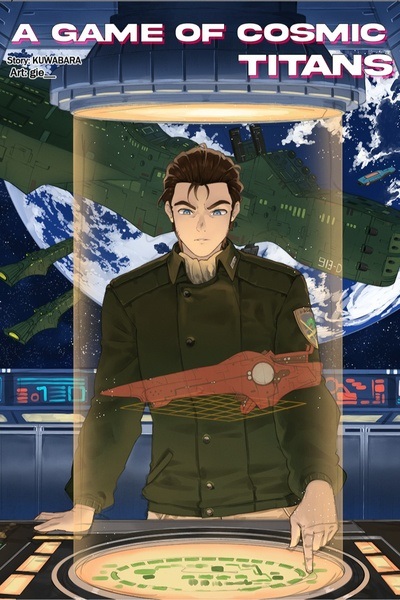
"The problem of leadership is inevitably: who plays God?"
Lawrence Mendge is a mobile trooper of the Confederacy, fighting a galactic war against the Imperium that has spanned nearly two centuries. There was no battle he couldn't win, no enemy he couldn't defeat. Yet despite it all he wants nothing more than to live life as a humble historian, and the sooner this war ends the better he can settle down with his sweetheart Victoria.
From mobile trooper to space marshal, Lawrence must decide: to continue being a willful soldier, or seize power for himself if it means an end to this war.
. . . The many sites you can read it for free on: Royalroad, NovelDay(audiobook version included!), Scribblehub, Spacebattles, Sufficientvelocity, Fictonry
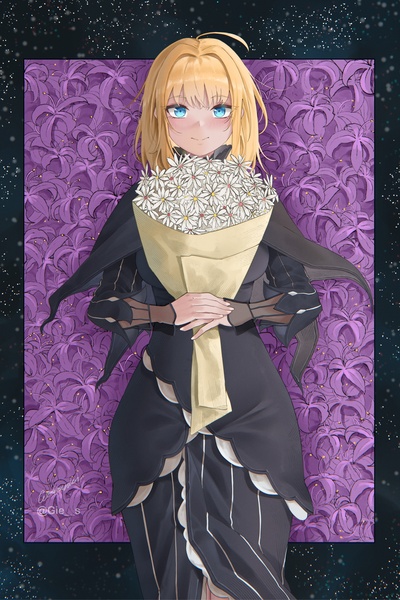
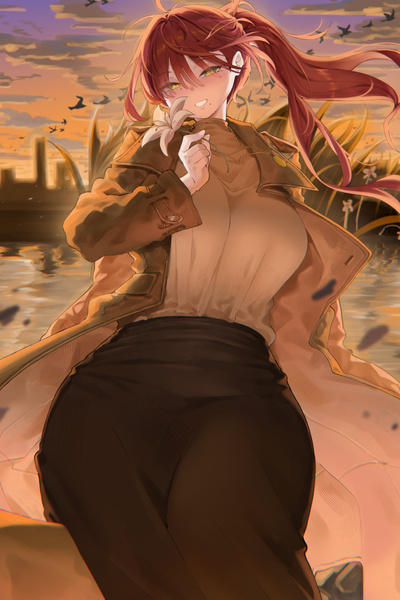
Volume 1 and volume 2 cover art of 'Swan's Song' and 'War and Peace'.
Older online-published fics



 If you like my writing, pleaes consider donating. There's no advance chapters or anything, just a way to support me.
Art Commission gallery

|

|

|

|

|

|

|

|

|

|

|

|

|

|

|

|

|

|

|

|

|

|

|

|

|

|

|

|

|

|
My Book Reviews
Starship Troopers, read 2026
 Reading this right after Moon Mistress was quite an experience. It was a shock to see firsthand how completely different it was from the movie, despite this the book was "a pretty good yarn". It did feel more like a checklist rather than the Heinlein I was reading up to this point, and crazy to me that he put aside writing the monsterious 200k word Stranger in a Strange Land to write this—and it kinda showed in the way he wrote it, all this "this happened and this happened, before this happened this happened," and the distinct lack of any real character given depth, or anything resemblacing characters living and breathing. New characters are introduced with their names and then you file them back of you're mind since they either exist to die or just don't brought up or do anything. But Heinlein shines with his character sockpuppet sermons. I didn't mind the lack and sparse combat scenes—he hand waves a lot and shit happens offscreen, deal with it loser. I think readers get spoiled by the movie and don't know how hard it is to write a lot of action scenes and keep them from being repetitive. Heinlein does it in Moon and he did it Stranger, so it didn't particularly bother me at all. But when he does focus on them it kept me engaged and my fingers sweaty devouring it all the same. Where Moon Mistress focused on plotting a conspiracy to overthrow a government and the struggles of creating your own, Heinlein explored how violence is inevitable when it comes to resolving conflict—us or them. It's a bit outdated since this came out, obviously, before the Indochina conflicts and the war on terror that would come after Heinlein's time.
The Moon is a Harsh Mistress, read 2026

Moon is a Harsh Mistress was a particularly hard novel to get into initially—boy did it wound up a slog—and after getting accustomed to the bizarre Russo-English 1st person dialect, it was an interesting read. I was intrigued by the intricacies of forming a conspiracy and the importance of 3-man cells, and how to start a revolution, and the political aftermath of one when it succeeded. Compared to the Heinlein novel I read after, the characters had some depth to them and sort did more than just exist, they had some agency but Mike and the Professor were my favorites, since they reminded me of Mike and Jubal from Stranger in a Strange Land, Heinlein likes writing these kind of characters I suppose since it gives him his mouthpiece to spout his political yappings.
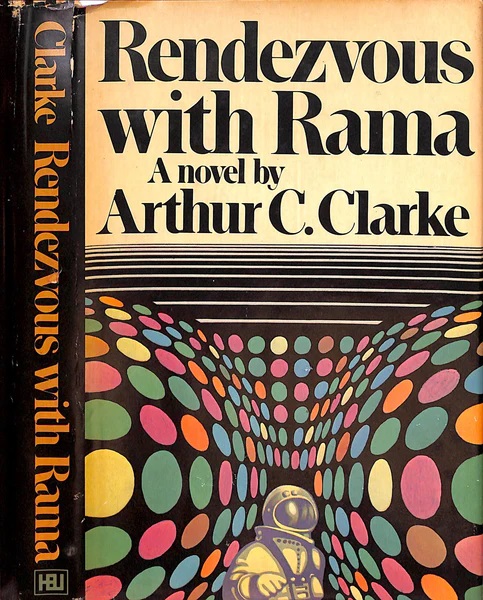
Rendezvous with Rama, read 2026
Stranger in a Strange Land, uncut, read 2025

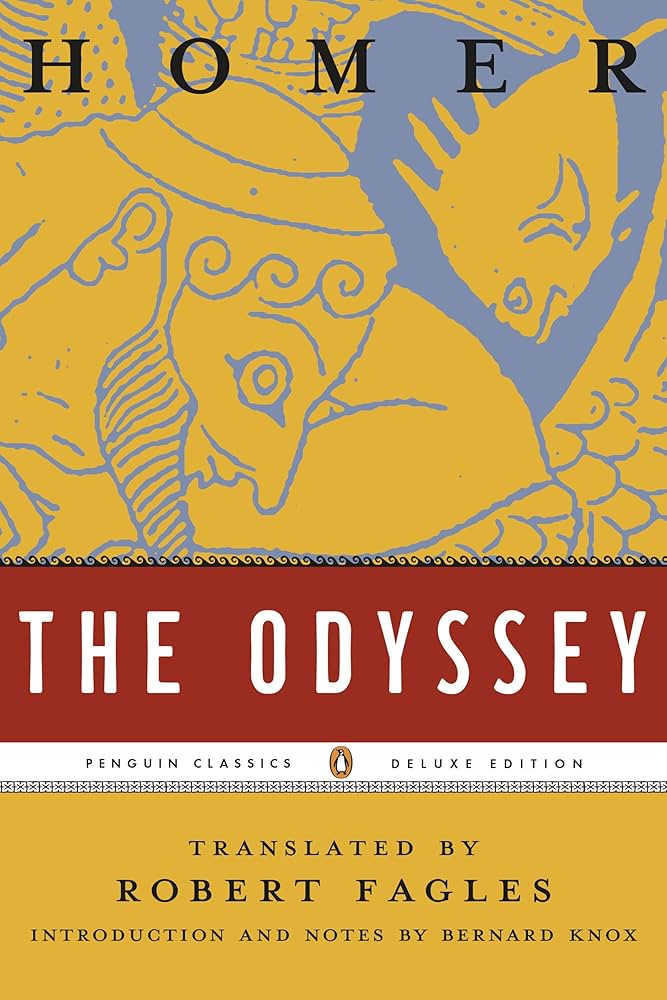
The Odyssey, read 2025
© 2023–6 @ JazKaz, last updated October 11th, 2026